
eDiscovery Digital Forensics
Litigation-ready digital forensics that uncovers, preserves, and analyzes critical evidence from computers, mobile devices, and cloud environments.
Our eDiscovery forensics experts provide defensible, court-proven results with speed, precision, and discretion, giving your case the technical advantage it needs to win.



Digital Forensic Services Built for Litigation and Investigations
When the case depends on the data, shortcuts aren’t an option. Rely on forensics done with purpose, precision, and proof in mind.
Digital forensics runs deep here. Knowing where data hides, how it behaves, and how to surface it cleanly is our second nature. Get hands-on attention from our experts who know how courts expect evidence to look, feel, and stand up.
As a digital forensics service trusted by litigation teams and in-house counsel, we pair advanced tools with real-world experience, backed by constant awareness of changing technical standards and legal expectations. When the work gets complex, the sleeves go up.


Tier 1: Very High Frequency
The devices that matter most. The ones everyone uses every day.
Laptops & Desktops (Windows & macOS)
Workstations are ground zero for discovery. That's where the work happens, and where the evidence lives.
✓ We perform full forensic images when you need everything, including deleted data and hidden artifacts. When you don't, we collect only what's relevant with targeted logical collections.
✓ Email caches. Browsers. Documents. It's all there.
✓ We manage downtime, storage size, and chain of custody carefully, so productivity stays intact and defensibility stays airtight.
Team Collaboration & Messaging Platforms (Slack, Teams & Similar)
Work conversations don't just happen over email anymore.
✓ Slack, Microsoft Teams, and similar platforms now hold a growing share of the conversations, decisions, and admissions that matter in a case. Channel messages, direct messages, shared files, threads, and even deleted or edited content can all be discoverable.
✓ We collect this data using platform-native APIs and export tools built for defensibility, preserving timestamps, metadata, and message context rather than flattening conversations into unusable screenshots.
✓ As more business communication moves into these platforms, team data collection has become a core and growing part of eDiscovery forensics, not an afterthought bolted onto email review.


Servers (On-Prem File, App, Mail & Archive Servers)
Shared data tells the real story.
✓ We image full disks or extract precise volumes from file servers, application servers, and mail or archive systems. That includes shared drives, departmental folders, and NAS environments.
✓ Server collections often reveal more than individual devices. We plan around uptime, permissions, hidden system files, logs, and sheer data volume, without disrupting operations.
Mobile Devices (iOS & Android)
Business doesn’t stop at the desk. As a core part of our cell phone eDiscovery capabilities, we collect smartphones and tablets using physical, bit-level methods when deleted data matters, or logical extractions when speed and proportionality are key.
Texts. Calls. App data. Attachments.
We navigate encryption, passcodes, remote wipe risks, and tool compatibility so nothing critical slips through..
Cloud & SaaS Environments
Business doesn't run on local drives anymore, and neither does discovery. Email platforms, collaboration tools, cloud storage, and SaaS applications all generate evidence that lives outside the four walls of a device, and that evidence needs to be preserved defensibly before it's altered, deleted, or lost to retention policies.
| Our approach to eDiscovery forensics extends into cloud and hybrid environments, where we capture data from cloud storage platforms, hosted email, and SaaS applications while preserving the metadata and audit trails that make a collection defensible in court. |
| For a closer look at how we handle these environments, see our cloud collections page. |
Tier 2: High Frequency
The overlooked sources that often carry outsized risk.
External Drives & Removable Media
Small devices. Big exposure.
✓ USBs, thumb drives, and external hard drives are easy to forget, and easy to misuse.
✓ We track, image, and preserve removable media with strict chain-of-custody controls so nothing goes missing or gets questioned later.

Backup Tapes & Archival Media
Yesterday’s data still matters today.
✓ Legacy backups can hold versions of files that were changed, deleted, or never meant to be found.
✓ We help you decide what’s worth restoring, what’s proportional, and how to extract value without runaway costs or timelines.
Network Attached Storage (NAS), SAN & File Shares
This is a common evidence source in any eDiscovery forensics engagement involving corporate infrastructure.
✓ Shared drives and collaborative folders often hold massive volumes of relevant data, far beyond individual laptops.
✓ We handle permissions, duplication, and scale, collecting only what matters while keeping the dataset defensible and manageable.


Tier 3: Moderate Frequency
Less common. Still critical when they show up.
Enterprise Mobile Devices & IoT Edge Devices
Not every device looks like a laptop. Some still hold answers.
This includes corporate-issued tablets, specialized business hardware, and select IoT edge devices that capture data or instrumentation.
In certain industries, these devices store real business communications, documents, or activity logs. The challenge is variety. Different operating systems. Different tools. Different data types.
We identify what actually matters, confirm tool compatibility, and collect only what’s relevant, without overreaching, whether the source is enterprise hardware or part of a broader cell phone eDiscovery effort spanning corporate-issued devices.

Virtual Machines & Virtualized Environments
The data isn’t always physical anymore. Sometimes it lives in a snapshot.
We collect virtual machines and virtual desktops where user activity and business data exist entirely in virtual form. These environments are now standard in modern corporate infrastructure. Accessing the right images, managing massive volumes, and navigating system complexity takes planning, so we handle the technical lift so the data stays defensible and usable.
Live System Collections & Memory Dumps
When depth matters, we go deeper.
This includes capturing RAM, volatile memory, active sessions, and live system states. These collections are used when forensic precision is required—cyber incidents, insider threats, or advanced investigations.
They demand specialists, careful execution, and more time. We deploy them only when justified, and we do it right the first time.
Tier 4: Lower Frequency / Edge Cases
Rare sources. High scrutiny. Zero room for error, and exactly the kind of matter where a specialized digital forensics service earns its keep.
Embedded Systems & Proprietary Devices
Not built for discovery. Still part of the story.
Industrial controllers, SCADA systems, and IoT sensors can hold logs, signals, or communications tied to an investigation. They rarely appear in standard disputes, but when they do, they matter.
Access is limited. Tools are specialized. Relevance must be tight.
We assess proportionality before a single byte is touched.
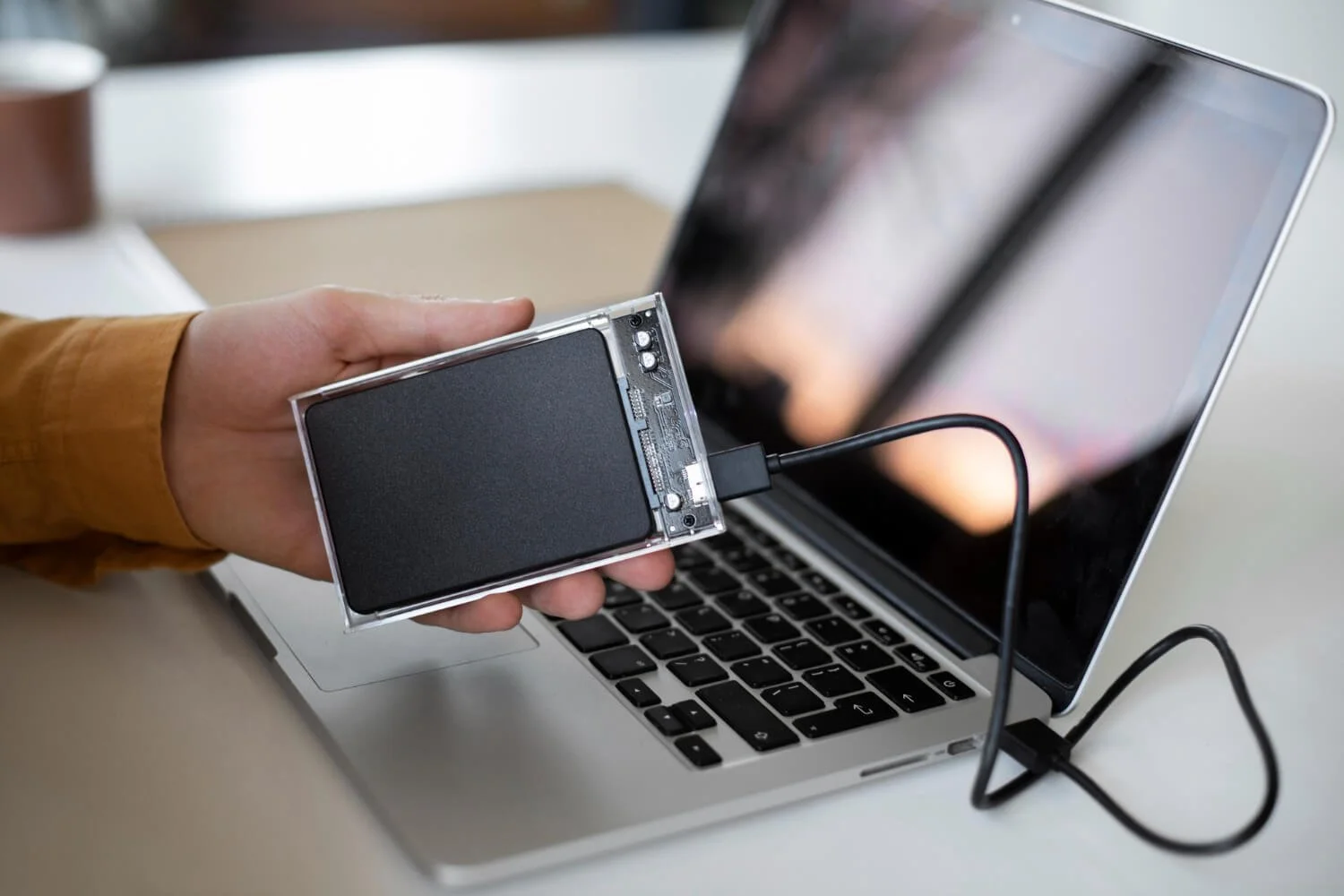
Physical Media Recovery & Damaged Device Imaging
When the device is broken, the questions remain.
We attempt recovery from damaged hardware, decommissioned systems, and legacy media like optical discs. This comes into play when endpoints are unavailable or spoliation is suspected. These efforts can be costly and time-consuming, with uncertain payoff.
We help you decide when recovery makes sense, and when it doesn’t.

Personal Devices (Non-Corporate / BYOD)
Work happens everywhere now. Risk follows.
Personal laptops, phones, and tablets often surface when business communications cross personal boundaries. Remote and hybrid work has made this a growing area of exposure, and much of it falls under the same cell phone eDiscovery protocols we apply to corporate devices.
Privacy concerns are real. Scope must be precise. Consent and authority must be clear. We navigate relevance, privacy, and legal boundaries so collections stay defensible and fair.

Key Collection Methods & Considerations
Forensic Imaging (Physical / Bit-Stream)
This is the gold standard. Every bit. Nothing left behind.
We capture the entire device, including deleted files and unallocated space. Perfect for high-risk matters, investigations, and spoliation concerns. It preserves the full digital footprint exactly as it existed at collection time. When defensibility matters most, this is the move.
Logical Collections
Clean. Focused. Efficient.
We collect only active files and live data—no deleted or hidden content. Ideal when the facts are clear and full imaging isn’t necessary. Less disruption for custodians. Less data to process and review. A smart choice when speed and proportionality matter.
Targeted Collections
Why collect everything when you only need something?
We selectively harvest specific folders, file types, users, or timeframes tied to the matter, a core discipline of well-run eDiscovery forensics. This sharply reduces data volume before review even starts. Lower costs. Faster timelines. Fewer distractions.
Precision beats excess every time.
Chain of Custody & Defensibility
If you can’t defend the collection, the data doesn’t matter.
We document every step: who touched the device, when, and how. Metadata stays intact through validated tools and write-blockers. Nothing altered. Nothing questioned. Nothing left undocumented. Court-ready from first contact to final production.
Proportionality & Cost-Benefit
More data isn’t always better data.
Deep imaging every device can inflate cost without adding value. We help balance relevance, risk, and burden before a single byte is collected. The goal is defensible efficiency, not over-collection. Right-sized collections protect budgets and credibility.
Digital forensics is only one part of a defensible discovery process. Once evidence is collected, our broader eDiscovery services carry that data through processing, review, and production, so litigation teams work with one accountable partner from collection through production.
Ready to Take Control of Discovery?
When the stakes are high, you don’t need another vendor. You need one of the digital forensics firms that litigation teams and in-house counsel actually trust to know the terrain, move fast under pressure, and keep things defensible from day one.